Shopping note: retailer links in this guide are ordinary direct links. If a link becomes an affiliate link, it will be identified and we may earn a commission. Read our disclosure.
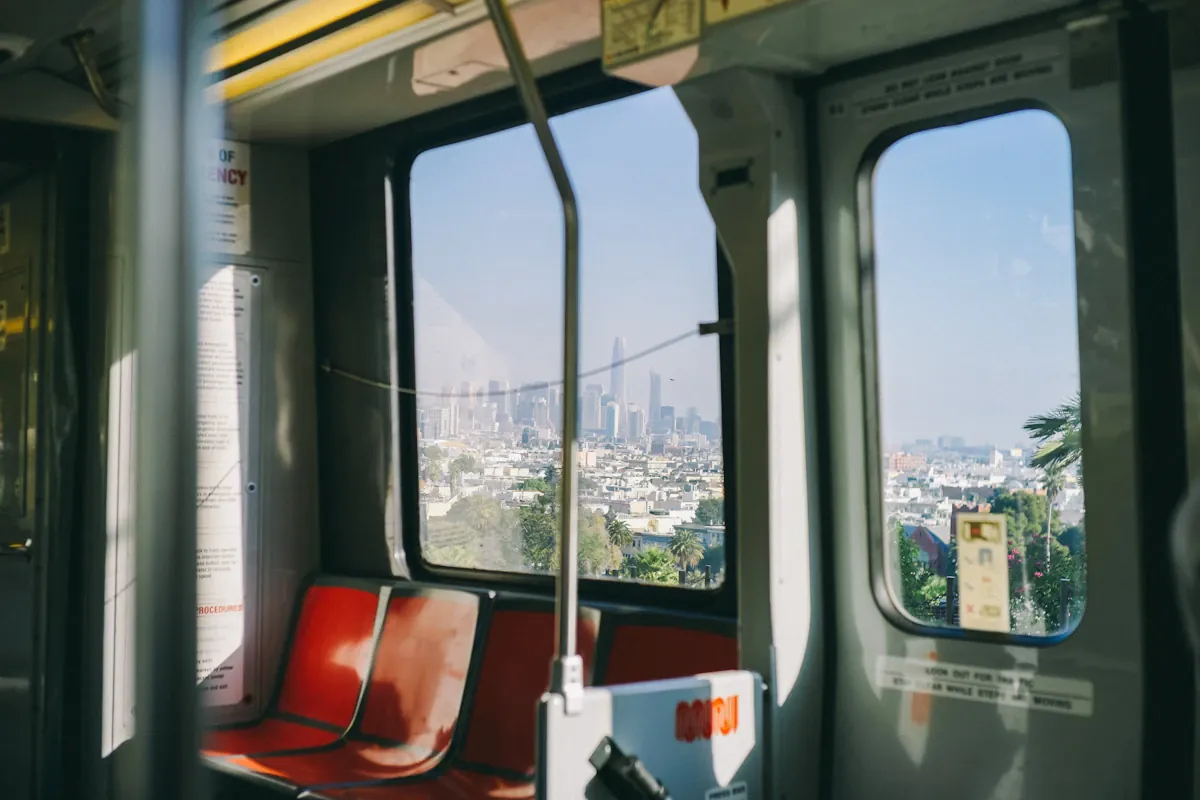
A train outfit has several jobs. It needs to feel comfortable while seated, allow an easy walk through a station and still make sense when you arrive for lunch or check into your accommodation. Those demands favor familiar clothes with adaptable layers, rather than a special category of travel clothing.
Use the length of the journey and the rest of your day as the starting point. A two-hour ride followed by a meeting needs a different balance from an overnight service. The principles below cover ordinary seated journeys; check the operator directly for any arrangements that affect what you need to carry.
Start with the seated fit
Try trousers or a skirt while sitting in a chair for more than a quick moment. Check the waistband, seams behind the knees and the amount of fabric that gathers at the lap. A garment can look beautifully relaxed standing up and become restrictive once seated. Choose a rise and closure that suit your body without constant adjustment.
Stretch can help, but it does not automatically make a trouser comfortable. Fabric weight, seam placement and the waistband construction matter too. If shopping online, compare garment measurements with something you already own and inspect the return conditions before ordering. Skip a new silhouette that requires you to keep tugging or repositioning it during the fitting.
Keep layers easy to take on and off
Cabin temperature can feel different from the station platform, so a top and a removable middle layer create options. A cardigan or overshirt is easy to adjust without pulling fabric over your head in a small seat. Choose a layer that folds into your bag or rests neatly on your lap when it is no longer needed.
An outer coat should work for the weather outside rather than compensate for an uncertain interior temperature. Consider where it will go once you sit down. Very bulky sleeves and trailing belts can become inconvenient around seat edges. When buying, look for a garment you will also use on the rest of the trip; an extra travel-only jacket adds cost and luggage.
Choose shoes for the station as well as the seat
Allow for stairs, ramps and the walk to your accommodation. A securely fitting shoe with room for your normal socks is usually easier than a loose slip-on that needs gripping at the toes. Check the sole and the condition of the fastening before leaving. A familiar pair with a worn-out heel is not automatically a dependable choice.
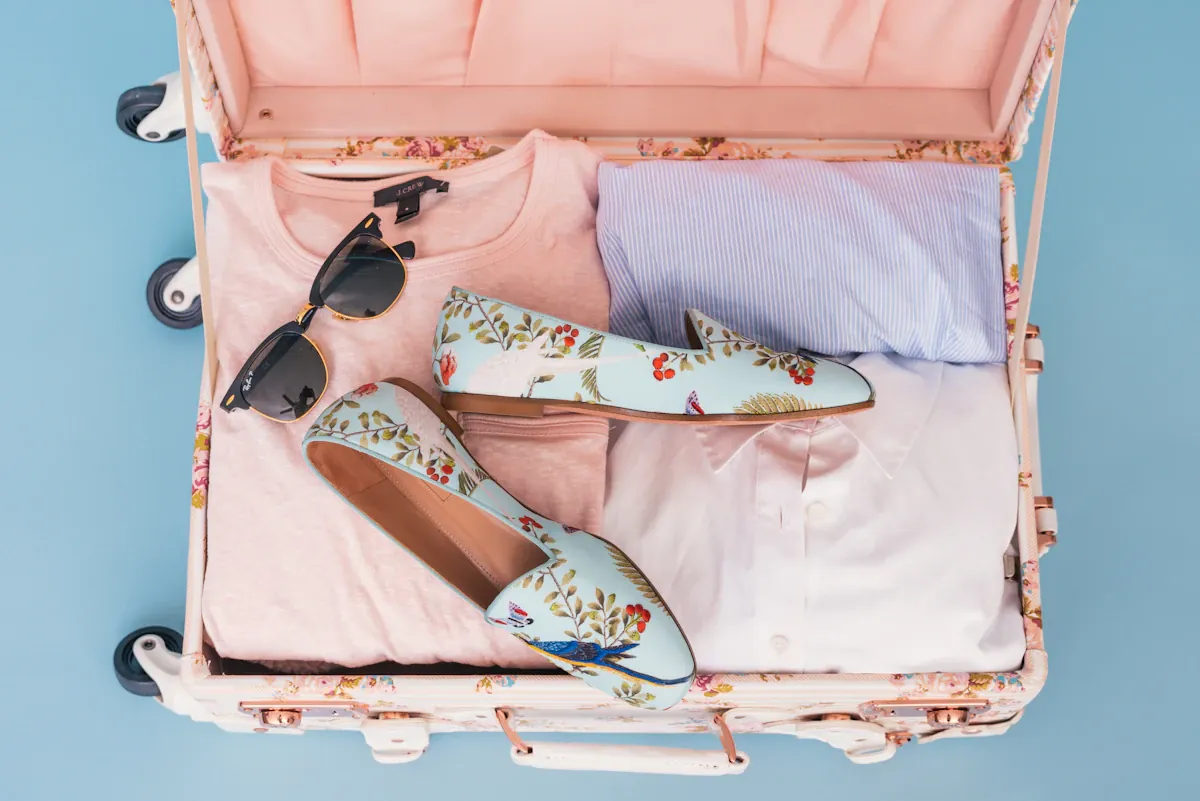
If you want a dressier arrival outfit, first see whether your everyday loafers, flats or understated trainers suit it. Carry a second pair only when it serves a clear purpose. Shoes that feel tight during a brief fitting deserve caution, especially if you expect to wear them for a long day. Do not make a rushed station walk the first meaningful wear.
Keep the small essentials reachable
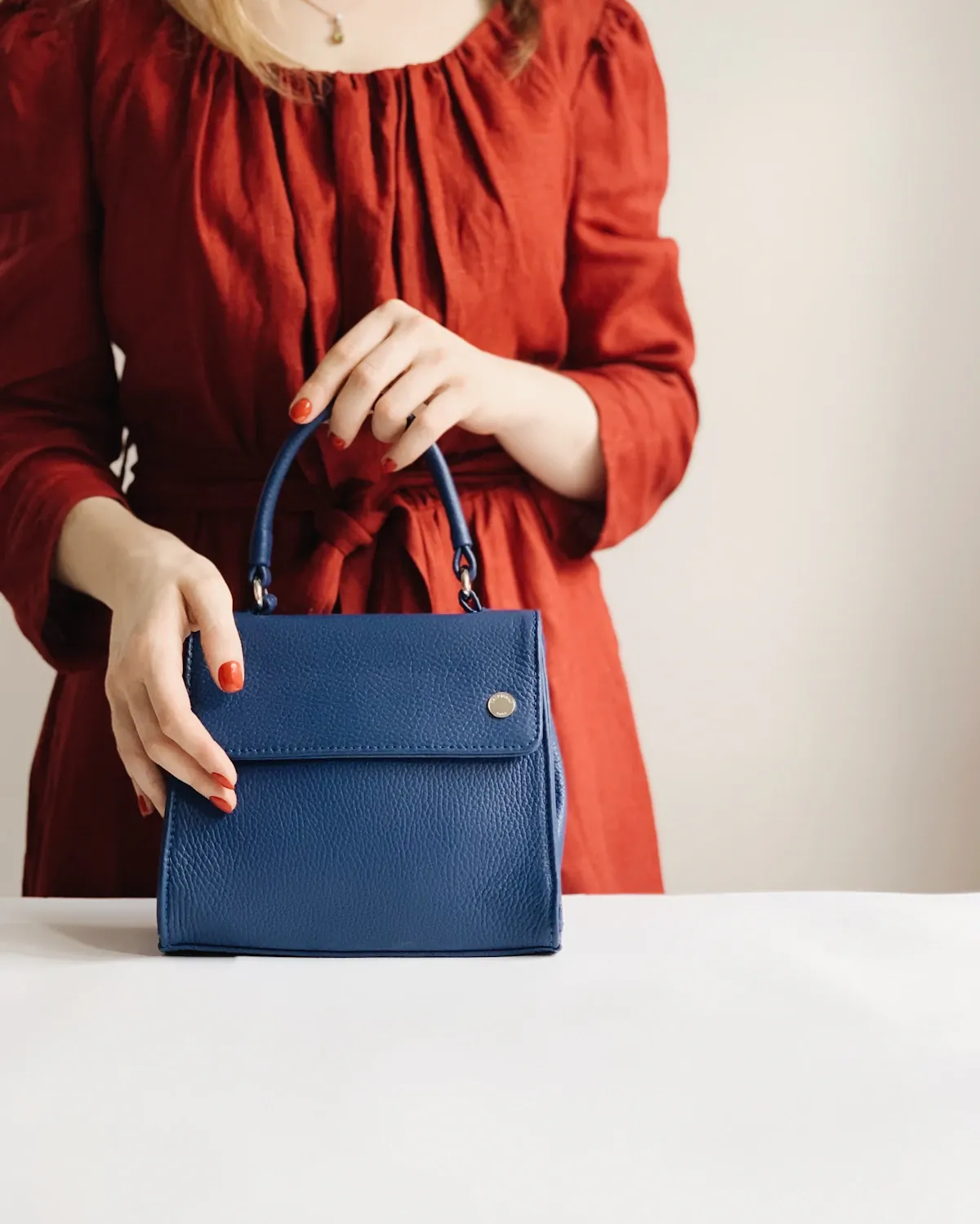
Place your ticket, phone, reading material and other regularly needed items in a compact bag that you can comfortably keep near you. Check pockets with the bag on and your coat closed. A zip that sits under the arm or a strap that slips from a smooth coat can make frequent access frustrating, even if the bag looks convenient in a product photograph.
A large tote is useful for a light layer but can become a jumble when everything is loose. A simple pouch may be enough to organize smaller items. Before purchasing a dedicated travel bag, test your current one with the actual contents. Buy when the new layout solves a recurring problem; skip extra compartments that are too small or awkward to use.
Build in an arrival adjustment
Choose one quick change that helps the outfit meet the next plan: button the overshirt, swap a soft layer for a jacket or add a scarf. Keep it easy enough to manage without laying belongings across a busy seat. If a work appointment or formal meal requires more, allow time and a suitable place to change after arrival.
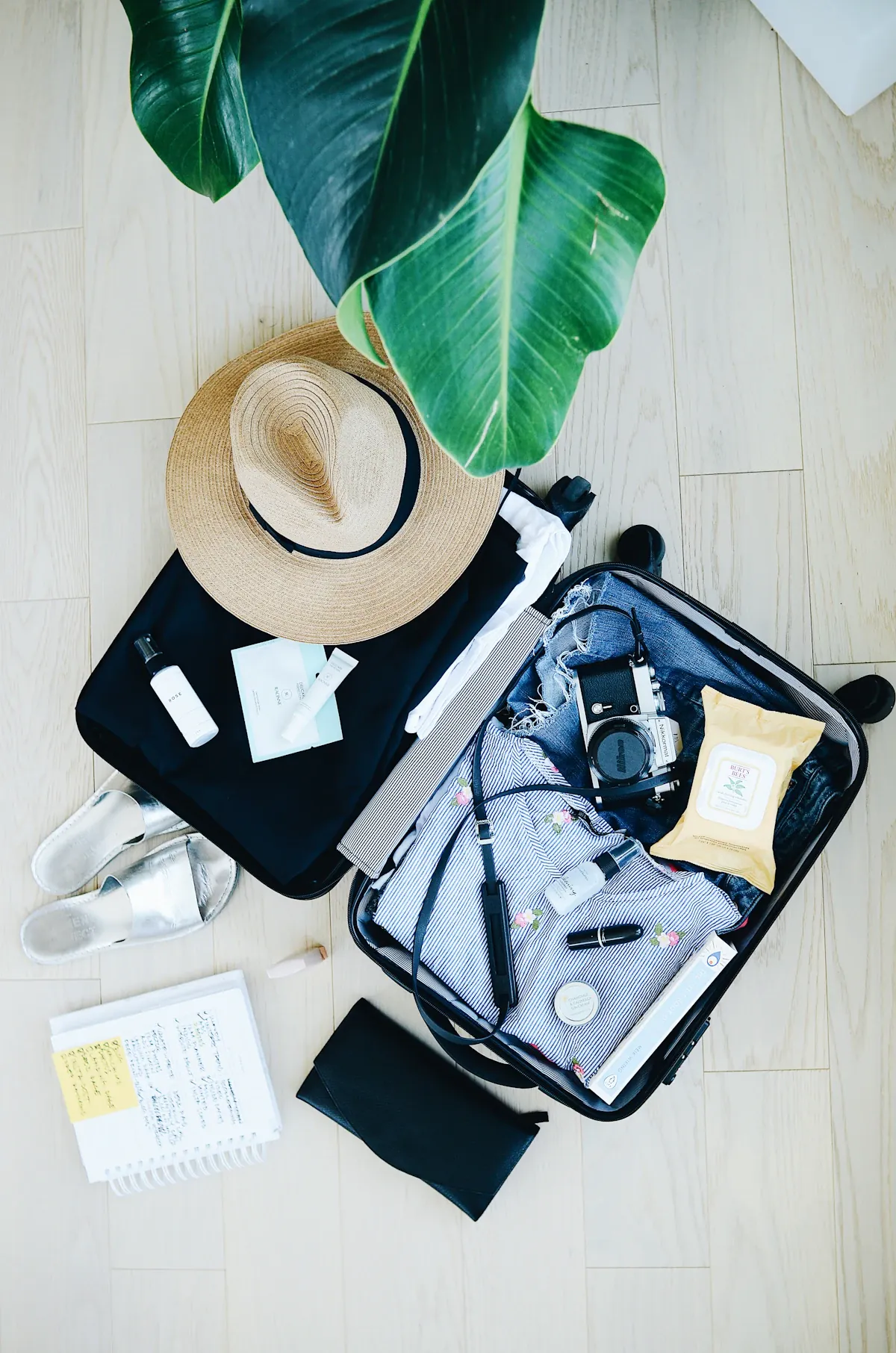
Finally, walk around carrying the full load while wearing the outfit. Notice where straps meet collars and whether the coat catches against the case handle. Outfit comfort depends on the luggage too. Reducing the bag by a few unnecessary items can improve the journey more than buying another pair of supposedly perfect travel trousers.
BROWSE WITH A PLAN
Where to begin your search
Use the checks above when comparing current assortments at UNIQLO, Nordstrom, MUJI. These links go to retailer websites; they are starting points for your own comparison, rather than endorsements of every item.
Before ordering, confirm the current composition, measurements, care instructions, delivery cost and return conditions for the exact item. Availability and terms can change.
Your questions, considered
Are leggings the best option for a train?
They can work if you like them and the whole outfit suits your arrival plans. Soft trousers, a knit skirt or familiar jeans can be equally practical when their seated fit works for you.
Should I wear my heaviest layers to save space?
Only if you can comfortably carry or store them when you remove them. Saving case space is less helpful when it creates a bulky pile that is difficult to manage throughout the journey.
Our approach: practical editorial guidance, without claims of hands-on product testing. How we make recommendations.